Originally appeared in FleetOwner.
Artificial intelligence (AI) is no longer a distant vision; it’s reshaping industries today. Few sectors stand to benefit as much as transportation. The transportation industry faces mounting pressure: rising fuel costs, unpredictable weather, and growing customer expectations for speed and transparency. AI offers a powerful solution to these challenges, enabling companies to operate with greater agility and precision.
While fully autonomous vehicles may still be on the horizon, AI is already delivering measurable improvements in logistics and fleet management. According to a Forbes article, smarter traffic management and route optimization are among the most impactful applications of AI in transportation.
Trucking companies ramp up AI to boost fleet efficiency
A recent report by ZipDo, an AI solutions agency, revealed that 65% of trucking companies plan to increase their investment in AI over the next three years. Besides using AI to reduce inefficiencies and improve customer satisfaction, fleets are increasingly looking to AI to manage growing complex logistics networks.
AI-driven routing reduces delays and fuel use
One of AI’s most promising applications is dynamic route optimization. Unlike traditional GPS systems that provide static directions, AI analyzes historical GPS data, traffic patterns, weather conditions, and even unexpected events like accidents or road closures.
ZipDo’s findings show that AI-powered route planning reduces delivery delays by 22% and cuts fuel costs by 15% on average. This capability becomes even more critical during the winter months when sudden weather disruptions can wreak havoc on schedules. AI systems can instantly reroute vehicles based on real-time data, ensuring timely deliveries and minimizing downtime.
Beyond emergencies, AI can anticipate peak travel periods and suggest alternative delivery windows, helping companies avoid congestion and maintain efficiency. These insights allow businesses to stay competitive in an era where every minute counts.
AI enhances fleet maintenance, logistics, and warehouse ops
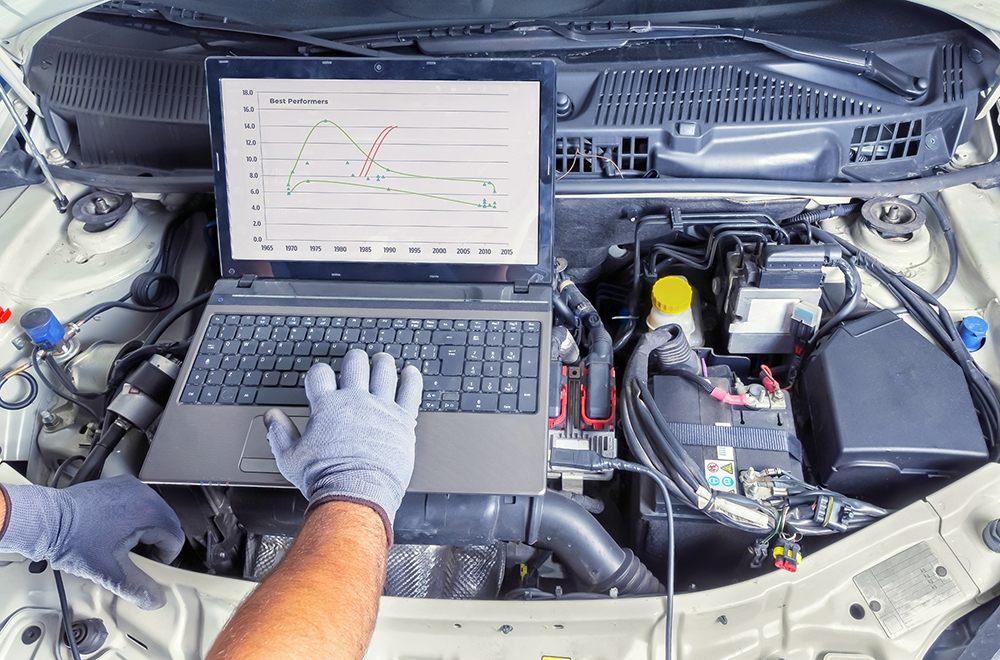
AI doesn’t stop at route planning. It can predict demand surges, optimize loading schedules, and even assist in preventive maintenance by analyzing vehicle performance data. This proactive approach reduces breakdowns and costly delays.
At the warehouse gate, AI-powered credential verification speeds up check-ins, reduces bottlenecks, and optimizes dock space utilization. These efficiencies translate into faster turnaround times and smoother communication between drivers and warehouse teams. The result is a more streamlined supply chain that benefits both businesses and customers.
AI supports drivers, dispatchers, and managers with smarter insights
While AI delivers significant productivity gains, it’s not a substitute for human judgment. Instead, it acts as an augmentation tool, providing actionable insights that empower teams to make smarter decisions and respond quickly to challenges.
Dispatchers, drivers, and logistics managers remain essential for interpreting data and handling complex scenarios. AI simply gives them the tools to work smarter, not harder.
AI transforms fleet operations, routing, and supply chain efficiency
AI is redefining efficiency in transportation, from real-time routing to streamlined warehouse operations and predictive maintenance. For businesses aiming to stay competitive and meet rising customer expectations, investing in AI isn’t just an option; it’s a necessity. Companies that embrace AI today will lead the industry tomorrow.