Every fleet is feeling the squeeze of rising costs and stagnant rates, meaning few can afford to leave anything on the table when it comes to finding ways to save. You might not realize it, but poor maintenance management could be causing you to bleed cash, as insufficient attention to this area has a significant impact on your fleet’s health and performance.
From inconsistent preventive maintenance schedules to insufficient diagnostics, the less you know about your fleet, the less you know how to care for it. Small issues that go unnoticed for extended periods of time end up growing into bigger and more complex problems, often requiring more time, labor, and materials to fix than if they’d be addressed from the start.
In addition to the long-term headache, neglecting PMs can result in diminished fuel economy, excessive wear and tear, and unplanned downtime, all of which hurt your bottom line through unnecessary extra costs and lost opportunities.
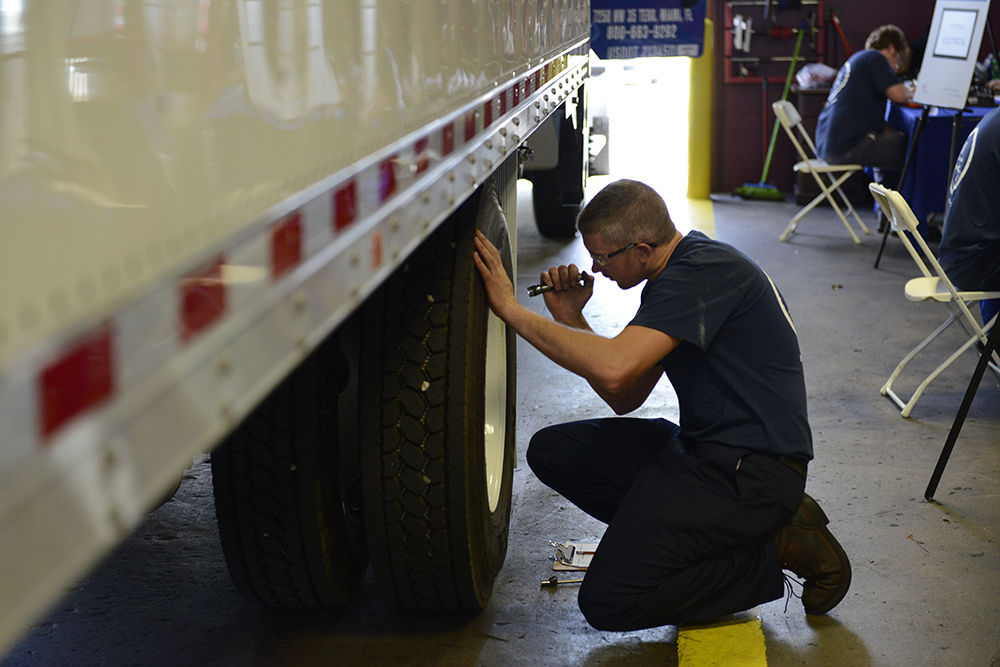
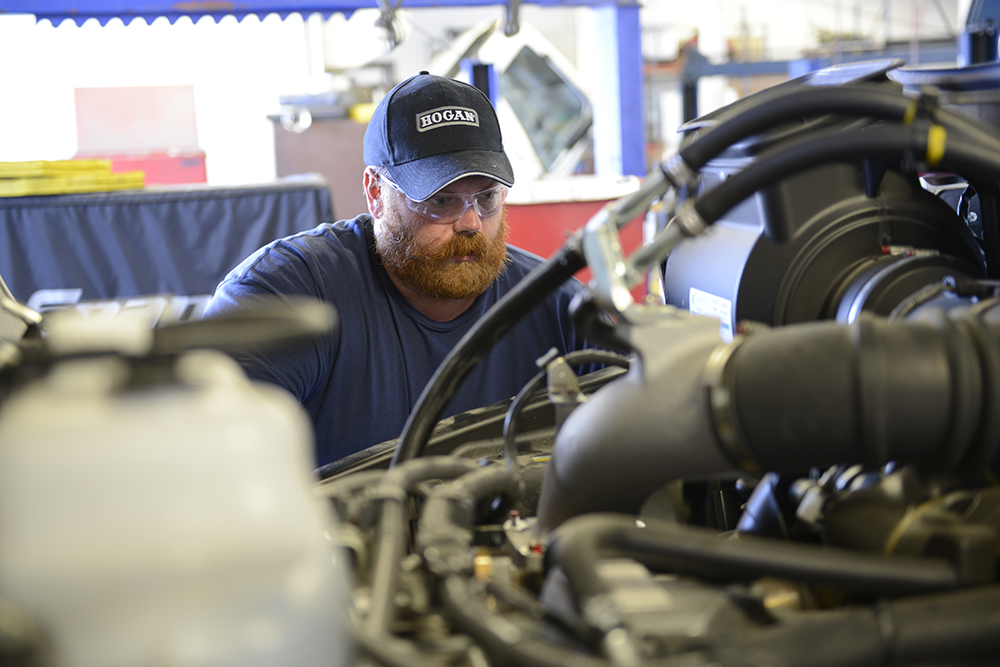
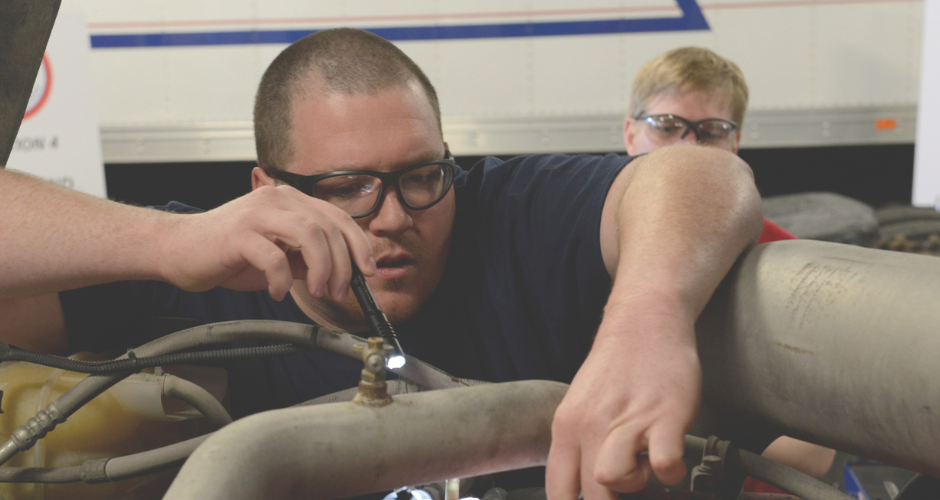
Captive shops help prevent unneeded expenses and lost time by keeping your fleet in optimal condition. Though similar to other outsourced maintenance services, captive shops are distinct because they’re dedicated to the needs of a single fleet, located at or near your location. Moreover, thanks to highly trained technicians, standardized processes, and professional oversight, you can feel confident that your trucks are in good hands without having to staff, equip, and manage the shop yourself.
Defining a captive shop
Before discussing some of the ways captive shops can help uncover hidden costs, it’s important to know how these differ from other types of contracted maintenance.
A captive shop refers to a service location that’s operated by a third-party and only handles the service needs of a single fleet. These shops can be located on your premises or close by, depending on your preferences and existing facilities. Either way, we take care of staffing the shop with trained technicians and equipping it with the latest diagnostic tools and data management platforms. As a result, you benefit from a dedicated, knowledgeable team who knows your fleet inside and out.
Most importantly, captive shops are on or near your premises, so you enjoy the convenience of having a fully staffed service center within close proximity for timely repairs and an intimate knowledge of your operations.
Higher long-term maintenance costs
Neglecting PMs has a long-term impact on your fleet’s health, even if everything seems to be running fine at the moment.
When small problems go unnoticed and unaddressed, and maintenance is more reactive than proactive, small issues tend to snowball. Worn components stay in service too long, lubrication intervals are missed, and inspections are haphazardly enforced and carried out. The result is accelerated wear and tear that shortens asset life and drives up repair costs.
In fact, over time, fleets that neglect regular PMs end up spending more on maintenance in the long run. Components designed to last for years are pushed beyond their ideal service windows, and minor issues—like uneven wear, vibration, or heat buildup—go unchecked. Over time, these small inefficiencies compound into major mechanical failures that are far more expensive to fix.
Poor maintenance management often leads to:
- Missed or inconsistent preventive maintenance intervals
- Limited visibility into asset condition and service history
- Repairs performed only after a failure occurs
This reactive approach increases both the frequency and severity of repairs. For instance, a simple bearing replacement can turn into a full drivetrain overhaul if overlooked. This both drives up your parts and labor costs, and shortens the overall lifespan of critical assets, which could mean forcing earlier-than-planned replacements and capital expenditures.
Through scheduled, managed PMs, captive shop maintenance teams can address issues while they’re still minor, controllable, and inexpensive, instead of reacting to failures. Over time, this discipline significantly reduces total maintenance spend, stabilizes repair budgets, and extends asset life.
Increased fuel use
There’s never a good time to be wasteful with fuel, but especially not during one of the worst energy crises in generations. Misaligned components, worn tires, dirty filters, or underperforming engines all force equipment to work harder than necessary, resulting in higher fuel consumption, increased emissions, and accelerated component wear.
Inefficient maintenance management commonly leads to:
- Equipment operating outside of manufacturer-recommended tolerances
- Inconsistent performance across similar assets
- Limited visibility into fuel-related performance issues
The financial impact compounds quickly. Even small declines in fuel efficiency, when multiplied across a fleet and over thousands of operating hours, can translate into substantial unplanned spending. Beyond fuel, inefficient equipment often experiences higher operating temperatures and increased vibration, which further contributes to premature component wear and drives up future repair costs.
Captive shops also play a critical role in controlling fuel inefficiencies. With full oversight of equipment condition and performance, maintenance teams can identify and correct fuel-related issues early, before they become systemic problems. Routine performance checks, calibrations, and component inspections ensure your trucks consistently operate within optimal ranges.
Over time, this disciplined approach not only reduces fuel costs but also stabilizes operating costs overall. By keeping equipment running efficiently day after day, captive shops help organizations reclaim fuel costs that would otherwise be lost to inefficiency.
Lost business & customer trust
Perhaps the most damaging hidden cost of poor maintenance management is unplanned downtime. When trucks fail unexpectedly, your entire operation grinds to a halt. Deliveries are delayed, service levels drop, and customers may start looking elsewhere for more reliable service.
Unplanned downtime has a cascading effect:
- Missed revenue opportunities
- Increased overtime and emergency repair costs
- Strained customer relationships
These disruptions create a ripple effect across the organization. Drivers, operators, dispatchers, and customers are all affected, compounding the operational strain. Over time, repeated incidents of downtime can make it nearly impossible to maintain predictable performance or control total operating costs.
The impact this has on customer trust cannot be overstated. Inconsistent service caused by equipment failures undermines reliability at a time when every piece of business matters. Missed deadlines, incomplete jobs, or last-minute cancellations suggest internal instability. In competitive markets, customers rarely see the mechanical issue but rather the missed commitment, encouraging them to seek more dependable alternatives.
By aligning maintenance priorities directly with operational schedules, captive shops enable proactive planning that reduces unexpected failures. Regular inspections, condition monitoring, and data-driven maintenance decisions help identify risks early, allowing issues to be addressed before they disrupt service.
When problems do arise, captive shops also offer faster response times. Highly trained teams can prioritize critical assets, access known service histories, and complete repairs in a timely fashion. This responsiveness keeps equipment in service, schedules intact, and customers unaware that a failure was ever close to happening.
Why fleets should care
With the cost of diesel spiking to unprecedented heights, average truck ages increasing, and a hyper-competitive freight market still contending with low rates and stifled business, there’s simply no room for leaving money on the table.
Find out how captive shops can handle your fleet’s maintenance to help you stay profitable, flexible, and responsive by contacting NationaLease today.