
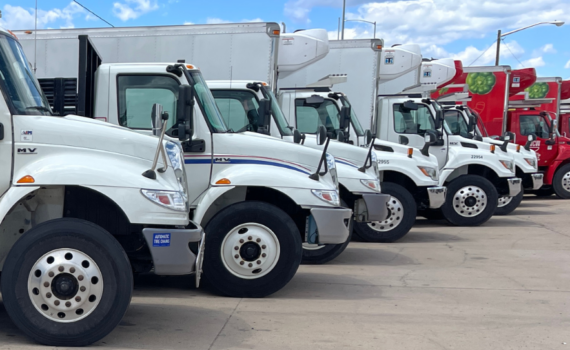
Originally appeared in Commercial Carrier Journal. You are not alone if you feel there has been no relief from rising costs. If 2025 was marked by its uncertainty, 2026 may very well be defined by high prices. Since March, ongoing conflict and volatility in the Strait of Hormuz have caused […]
Fuel Savings
15 posts
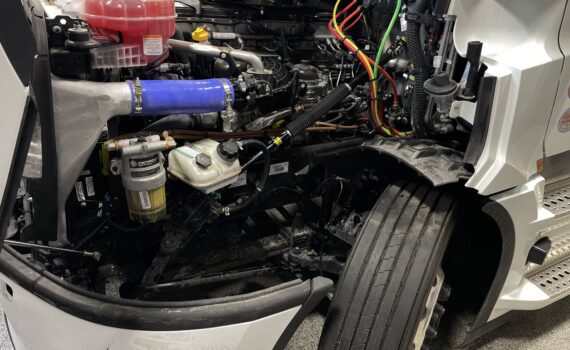
Originally appeared in Commercial Carrier Journal. In the past few months, the cost of diesel has gone through the roof. After surviving the chaotic uncertainty of tariffs in 2025, procurement teams and maintenance directors have spent most of the first half of 2026 contending with fuel costs nearly 100% higher […]

Originally appeared in FleetOwner. Few operating expenses have a greater impact on fleet profitability than fuel, making price volatility a major concern for carriers and private fleets. When you can’t anticipate what fuel prices will be on any given day, accurate forecasting becomes extremely difficult. On July 7, the U.S. Energy […]

Originally appeared in FleetOwner. Fleet managers are sending a clear signal in 2026: maintaining assets to reduce downtime and prevent breakdowns has become their top operational concern. According to data from J.J. Keller’s annual State of Fleet Management survey, 54% of fleet leaders now rank asset maintenance as a primary challenge, […]
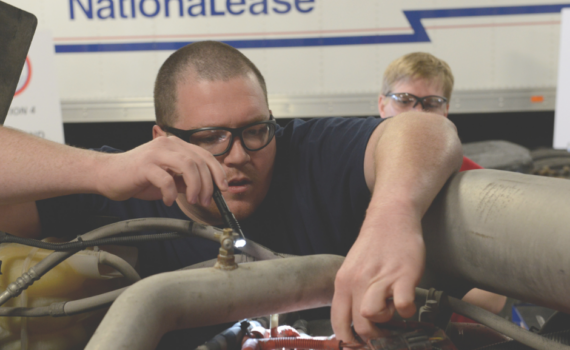
Every fleet is feeling the squeeze of rising costs and stagnant rates, meaning few can afford to leave anything on the table when it comes to finding ways to save. You might not realize it, but poor maintenance management could be causing you to bleed cash, as insufficient attention to […]

Originally appeared in FleetOwner. Whether you’re a carrier or a private fleet, fuel is likely your highest operating expense (other than salaries). So, when diesel prices soar, profitability drops. A recent Reuters article laid it out in detail: “As of Monday, U.S. fleets on average spent $5.52 per gallon on diesel, surpassing […]

Originally appeared in FleetOwner. Truck fleets are facing a steady increase in operational costs. The current environment exposes the industry to multiple cost pressures rising at once. Fuel volatility, higher labor costs, more expensive equipment, and growing insurance and regulatory requirements are all contributing to tighter margins. Even as freight […]

There are numerous ways to tackle the issue of the diesel technician shortage. Each fleet should determine what works best for them and follow through with a well-thought-out program.