It’s officially summer—is your fleet ready to take the heat?
Whether you’re diligent about your PMs or need the occasional reminder, the start of summer is your sign to prepare your fleet for soaring temperatures and sweltering humidity. These extreme conditions take a toll, so it’s vital to understand what you need to pay a little more attention to when the calendar flips to June. Otherwise, you could be facing untimely delays, breakdowns, and disruptions.
To avoid getting your customers hot under the collar, I recommend paying close attention to the cooling system, air brake system, battery, and tires, in addition to regular PMs and inspections to minimize oversights. These areas of the truck are particularly susceptible to heat-related strain, so ensuring their condition and function can help you prevent headaches down the road.
Instead of sweating it out, take the time to address these focus areas and keep your fleet rolling all season long.
Cooling system
Your truck’s cooling system works harder in summer than any other time of year.
Responsible not just for keeping the driver and cabin comfortably cool, the coolant system prevents the engine, transmission, and other components from overheating during heavy use. When one area develops a problem, everything else has to work harder, compounding the issue and increasing the chances of failure.
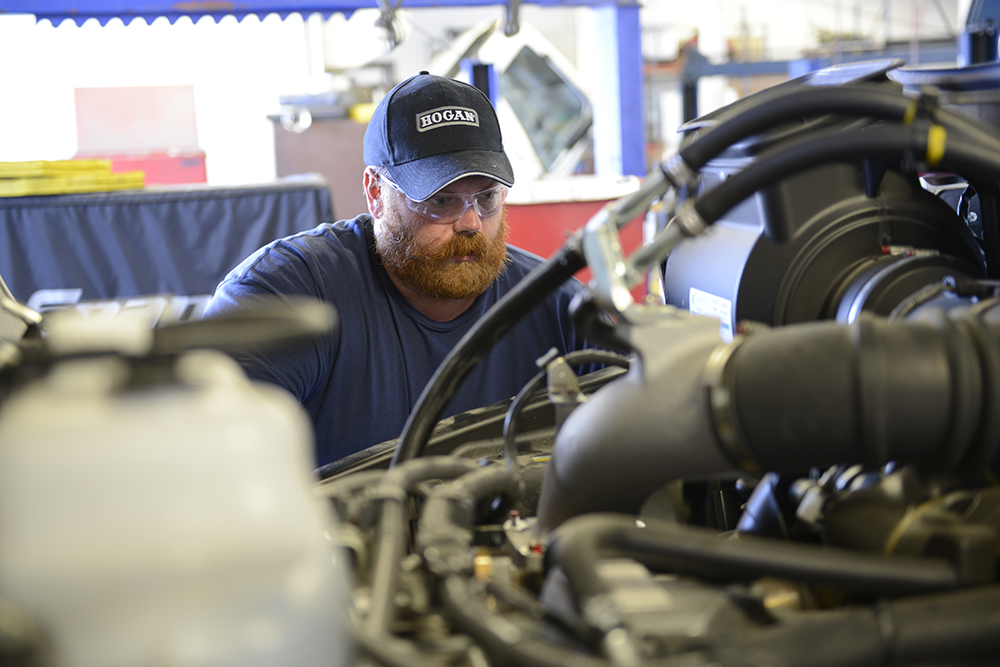
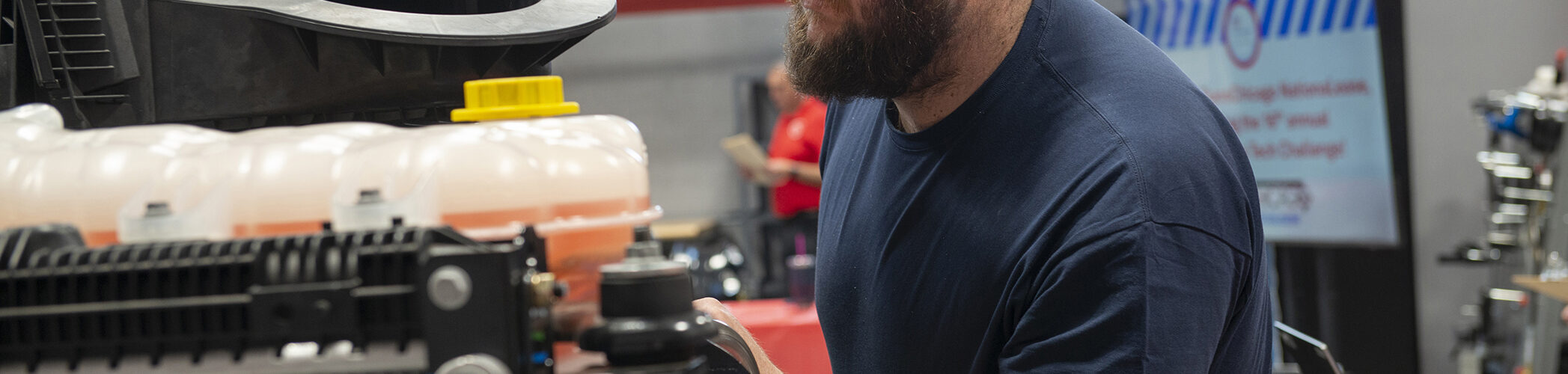
When inspecting this system, remember to examine the hoses, water pump, radiator, and thermostat, in addition to coolant. Look for and remedy any leaks, and perform a coolant flush if the fluid looks cloudy. Make sure to give the filters a close look too—trapped debris inhibits air flow, so remember to replace dirty ones.
Air system
One area you might not think of paying extra attention to in summer is the air system.
This time of year not only brings higher temperatures but also higher humidity, and when ambient moisture increases, so does the risk of air brake failure. The air dryer works to keep brake lines free of moisture, since the presence of water can cause blockages and corrosion. When muggy summer weather forces it to work even harder, there’s a greater chance of failure.
Avoid braking issues by draining the air tanks daily and repairing leaks promptly. If drivers are reporting a spongy pedal feeling or increased stopping distances during summer, the culprit could be a faulty air system.
Battery
Just like winter, summer is a tough season for batteries. But besides the weather itself, you also need to pay attention to how battery usage affects its health and longevity.
First, heat shortens battery lifespan by accelerating internal wear and tear—specifically, the chemical reaction that allows it to store energy. High temps increase the rate of reaction, resulting in sulfation that leaves deposits and inhibits the flow of electricity.
But high temperatures are only half the story. Naturally, drivers want to stay cool when it’s sweltering outside, relying on battery-powered air conditioners when they can’t keep the engine running. Extended use depletes the battery more quickly than regular usage, and though it recharges when the motor is running, trucks often make too many stops during deliveries to get the alternator sufficient time to do so. Moreover, frequent full-depletes and recharges reduce battery lifespans.
The best way to stay ahead of battery problems is with regular checks. After inspecting its physical condition (no corrosion, bulging, or cracks; clean cables and terminals), use a multimeter to check the voltage to ensure it’s at full charge. It only takes a minute or two and can save you stress and frustration down the road.
Tires
Last but not least, tires offer considerable bang for your buck when it comes to summer truck maintenance.
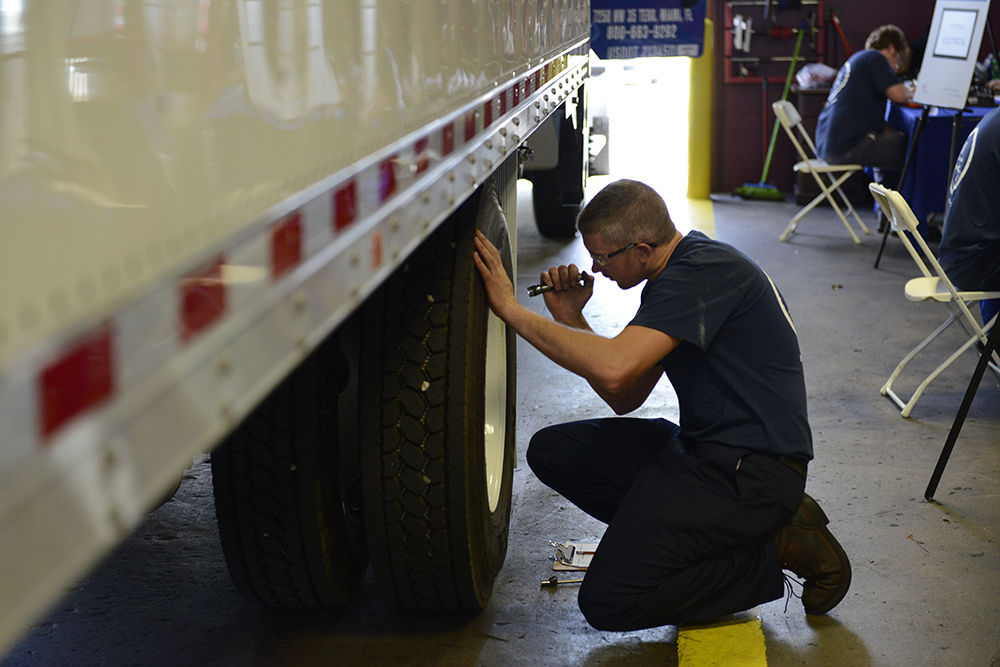
First off, temperature changes—even from hot to hotter—impact tire pressure, making daily pressure checks paramount. Unlike in winter when cold weather makes PSI drop, the opposite is the case in summer—every 10F degree increase in temperature roughly equals an increase of 1 PSI. Moreover, heat accelerates tire wear, which combined with overinflation creates the perfect recipe for blowouts. This goes for both the ambient temperature and heat created from the friction between the tires and the road.
Another consideration is fuel economy. Typically, summer brings the highest prices at the pump of the year, requiring fleets to be even more mindful of waste. Since improperly inflated tires result in a less efficient drive, you can end up spending a lot more on diesel at this time of year than anticipated.
These aren’t the only maintenance items to consider in summer but should absolutely be part of your daily PMs this season. Just like the temperature, the competition for business always heats up at this time of year, so make sure your fleet’s ready for action.