
It’s nearly time for Brake Safety Week, is your fleet ready?
Scheduled for the week of August 23-29, CVSA conducts Brake Safety Week to promote the importance of brake maintenance. During this annual, week-long initiative, roadside inspections are conducted throughout the U.S., Canada, and Mexico, where inspectors check vehicles for brake-related out-of-service violations to ensure commercial vehicles are properly maintained.
This year, the area of focus is brake drums and rotors, so inspectors will be examining these parts with an especially close eye.
If you want to feel confident that your fleet passes with flying colors, keep reading to learn what needs your attention, and how NationaLease can assist with brake care as part of routine PM inspections and maintenance.
Brake Safety Week
Originally launched in 1998, Brake Safety Week is aimed at both spreading awareness of the importance of brake care and getting unsafe vehicles off the road. The organization’s website states the goal of this initiative is:
“…to eliminate roadway crashes by conducting roadside inspections and educating drivers, mechanics, large- and small-fleet motor carriers, owner-operators, and others on the importance of proper brake inspection, maintenance and operation.”
If you’re wondering why brakes in particular deserve their own dedicated week, it comes down to how prevalent, and preventable, brake-related accidents are. In 2025, Brake Safety Week found nearly 15% of inspected vehicles with an out-of-service violation in this system—up from 12.8% in 2024. As new trucks become increasingly expensive, more fleets will be hanging on to aging models with higher mileage. This means that properly maintaining brakes will become even more vital for safe operation.
Brake-related failures are responsible for approximately 30% of truck accidents, according to FMSCA. The vast majority of these could have been prevented through routine care and upkeep, underlining that brake maintenance can be the difference between someone making it home at the end of day or not.
Focus for 2026: drums and rotors
For 2026, as it did in 2025, Brake Safety Week is placing special emphasis on brake drums and rotors. Along with the rest of the brake system, inspectors will be checking out these components for signs of undue wear, rust, metal-on-metal contact, and other signs of damage.
Earlier this year on April 14, CVSA conducted Brake Safety Day—an unannounced, one-day blitz held throughout North America. Out of 4,021 vehicles, 574 had out-of-service violations, out of which 43 were drum/rotor issues. Specifically, inspectors identified broken and rusted rotors, broken drums, and metal-on-metal contact, all of which can be easily remedied through proper PM schedules and pre-trip checks.
Both brake drums and rotors are responsible for dissipating heat that’s generated during braking. Because they’re subject to intense strain, they need to be inspected on a routine basis for any signs of damage or risk failing at a critical time. When problems go unnoticed for too long, small issues turn into catastrophic failures that put lives in danger.
How to prepare
There’s still time to ensure your fleet is ready for inspection during Brake Safety Week.
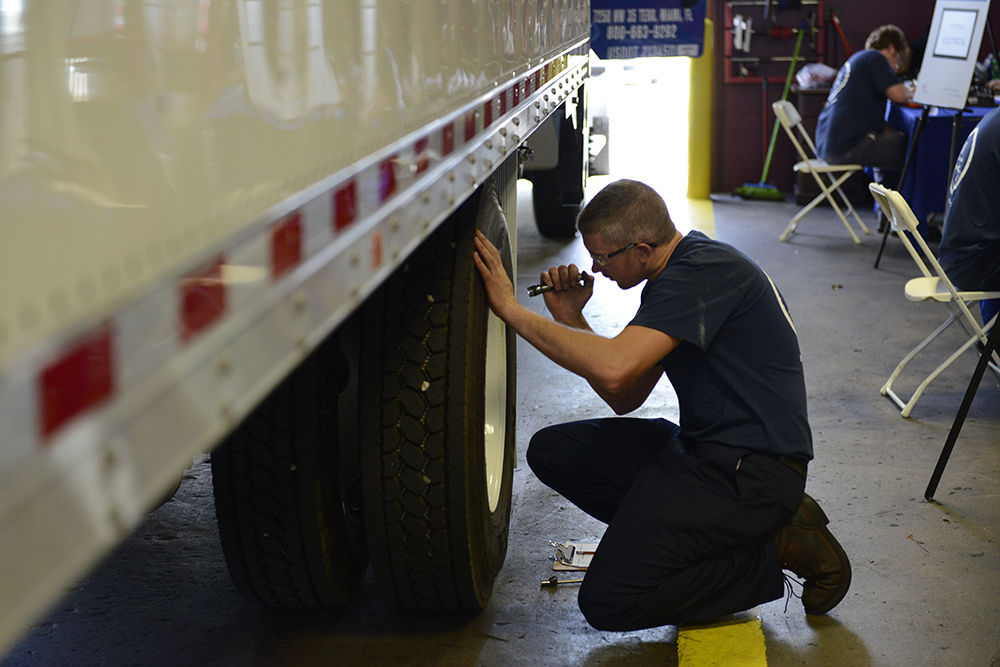
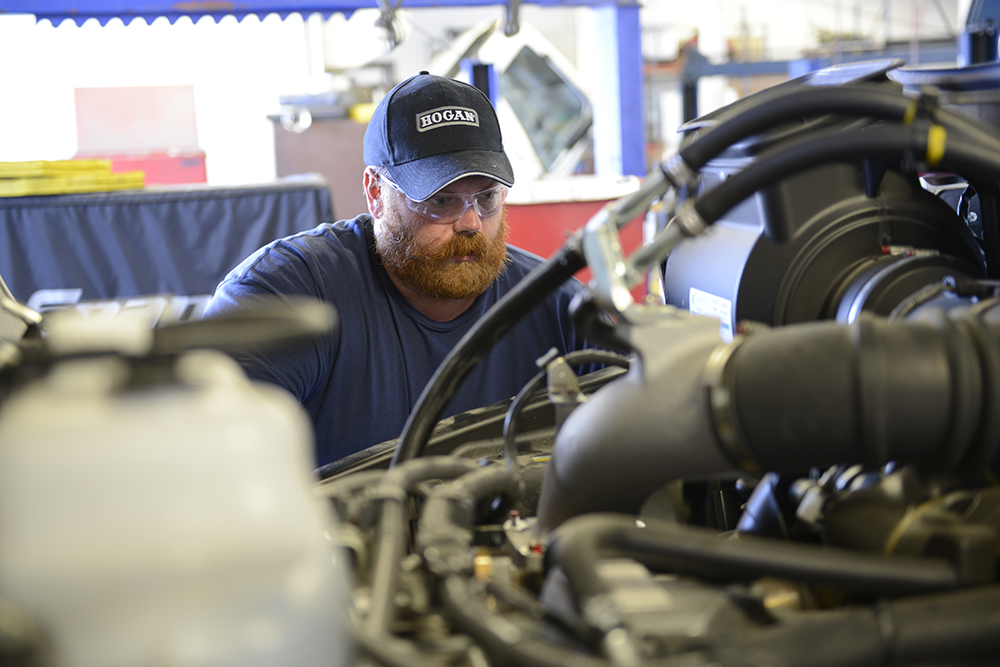
Vehicle safety inspection, including a thorough examination of the brakes, is the cornerstone of an effective PM program. The same goes for consistent pre- and post-trip inspections by the driver, since these can catch issues that might crop up between PMs. This way, problems are identified earlier, meaning they can be addressed before they snowball into something more timely and costly to repair.
Be sure to pay close attention to the brake linings to confirm appropriate thickness, and be on the lookout for any evidence of separation, or oil/grease intrusion. Since this year’s focus is on drums and rotors, remember to check these parts for visible cracks, heat damage, or excessive rust on the friction surface—this is especially important for the rotors. When inspection the drums, ensure that the thickness are within the manufacturer’s limits. Finally, listen for any audible air leaks and inspect the hoses and brake lines for indications of chafing, rubbing, or dragging.
If you come across anything that needs to be addressed, remember to immediately report the defects to DVIR and have the repairs completely as soon as possible.
Safer roads for all
The primary aim of Brake Safety Week is right in the name. This initiative isn’t about seeking out issues or punishing fleets, but rather making the roads safer for everyone. No vehicle, whether it’s a heavy-duty truck or a 100cc go-kart, can safely operate without functioning brakes. Full stop.
Think of Brake Safety Week not only as your opportunity to address any brake issues that might be flying under the radar, but also to demonstrate your commitment to safety to your drivers, customers, and community.